It is always easier to make plans than to stick with them. We dream big, set goals, even write down new habits we want to build. But when it comes to the actual doing part, that is where most of us stumble. The old saying “easier said than done” may sound cliché, but there is a reason it has been passed down. It is painfully true. Studies in psychology show that only about 8% of people achieve their New Year’s resolutions, and the reason often comes down to small daily decisions.
So why is it that we don’t follow through on the things we know are good for us? Why do we ignore habits that could change our lives for the better? And more importantly, how do these small, everyday choices shape the way we think about ourselves and the world around us?
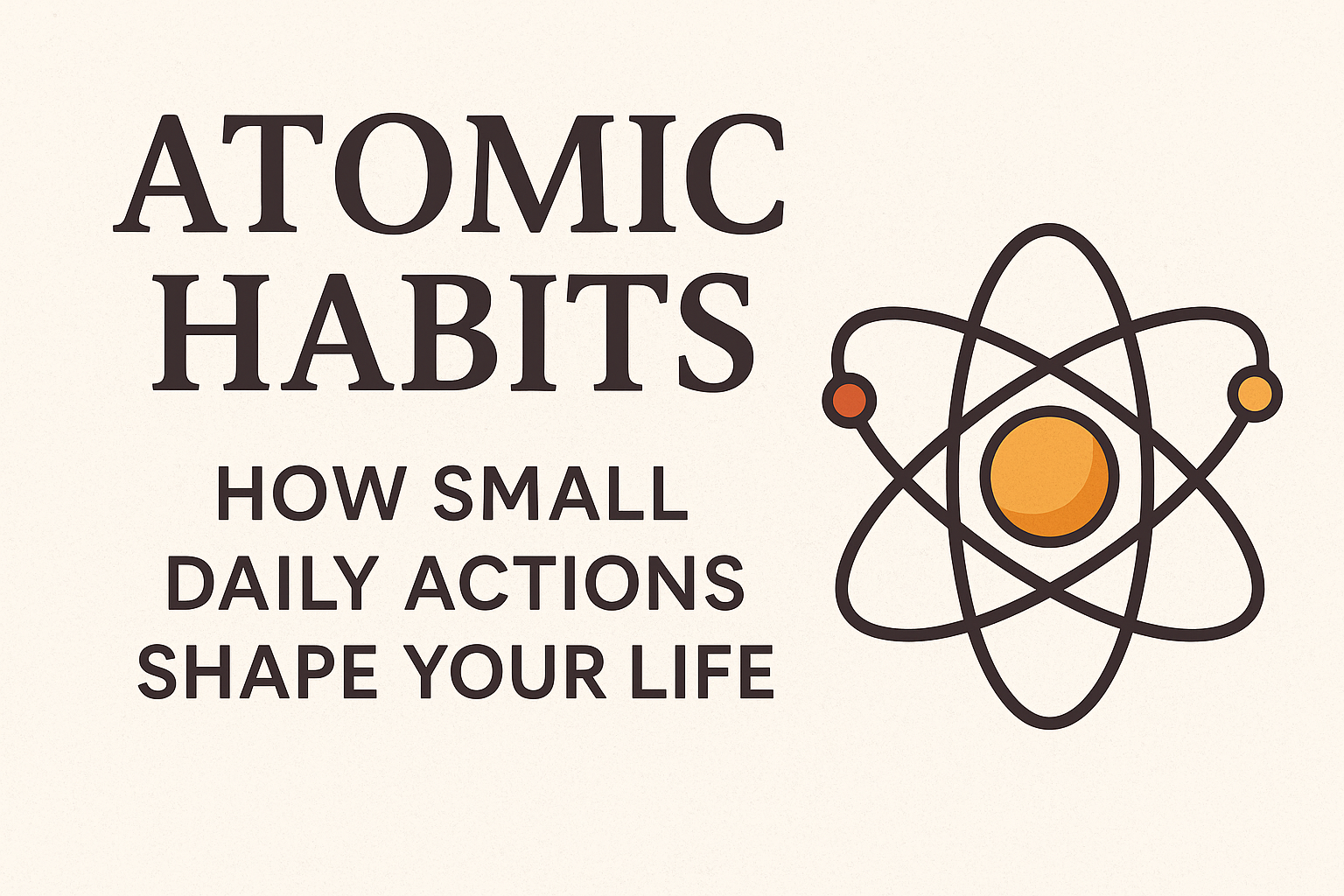
These are the questions I started asking myself after revisiting a book many of you probably know: Atomic Habits by James Clear. I read it years ago, but at the time, I didn’t fully grasp the deeper meaning. I filed it away as “good advice” and moved on with life.
But just recently, I stumbled upon James Clear in a YouTube interview. I had some free time, so I decided to listen. And let me tell you, I was stunned. The way he broke it down made me realize something so simple yet profound. The tiniest actions we take or fail to take can completely alter the direction of our lives.
The Power of the Small
Think about it. A single second of being late does not feel like a big deal until it becomes a habit that slowly eats away at your discipline. Spending just one dirham every night for a cup of karak tea feels harmless until you do the math and realize that is over 360 dirhams a year gone. Skipping a workout “just for today,” leaving the dishes unwashed, or ignoring that one email—all these little choices, repeated often enough, quietly sculpt the person we become.
Like atomic particles, the tiniest building blocks of matter, our smallest decisions accumulate. They either push us toward the life we want or slowly drift us further away. Research in behavioral science supports this. Habits compound over time, producing either massive benefits or slow, almost invisible costs.
That is what hit me hardest. It is rarely the big, dramatic decisions that shape our lives. It is the micro-decisions. The habits so small we barely notice them. The details we dismiss because they seem insignificant. And yet, together, they form the blueprint of who we are.
We Are the Sum of Our Smallest Actions
This realization made me look at myself differently. I started noticing how much of who I am today is built on the little things I either did or ignored over the years. Those small actions shaped my character far more than any singular, life-changing moment ever could. And if I am honest, my failures were rarely because I did not know what was right. It was because I told myself, “It is just a small thing. It does not matter.” But it does. That is the whole point.
Why We Don’t Do What Is Good for Us
So why do we fail to act on the things we know will help us? Small things are easy to ignore. They feel harmless. We tell ourselves:
“Missing one workout will not hurt.”
“One cigarette will not kill me.”
“It is just one coffee purchase.”
On the other side, doing the right thing rarely gives immediate results. One salad will not make us fit. One kind gesture will not make us a saint. One hour of study will not make us an expert. Our brains are wired to crave immediate rewards, but the greatest life changes rarely appear instantly. That gap between effort and reward is where discipline is tested.
Sometimes, we also underestimate small things because they feel trivial. But delay turns into neglect, and neglect turns into habit. Before we know it, small inconsistencies build into a lifestyle that holds us back.
Training Ourselves to See the Small
The more I sat with this idea, the more I realized the little things are not little. They shape how we think, act, and ultimately, who we become.
If we want to change our lives, we do not need grand plans or impossible goals. We need to train ourselves to notice, honor, and act on the small. That means:
-
Paying attention to details
-
Being consistent in small steps
-
Aligning our big goals with daily micro-actions
-
Refusing to underestimate the power of “just one”
Imagine applying this mindset to everything. Instead of envying someone with a sculpted body, ask what tiny daily actions they do that I am not doing. Instead of wondering why someone travels often, ask what small financial habits have they built that I haven’t. It is not luck or superhuman willpower. It is the cumulative effect of small, intentional actions.
Think Again
Whenever I feel frustrated or stuck, I remind myself: Think again.
Think again when I feel jealous of someone else’s success
Think again when I wonder why others have freedom and I do not
Think again when I am tempted to skip the little things because “they do not matter”
Because they do. They matter more than we think.
At the end of the day, our lives are the accumulation of thousands of tiny choices, each nudging us closer to the life we want, or quietly pushing us further away.
That is what Atomic Habits taught me when I finally listened with fresh ears. The smallest step is never wasted. It either builds us up or breaks us down. Being mindful of these small details is the greatest gift we can give ourselves.
Final Thoughts
If there is one thing I want you to take away, it is this. Do not underestimate the power of small things. Whether it is a kind word, a skipped workout, or saving a single coin, these atomic actions are the threads weaving the fabric of your life.
So instead of waiting for the perfect time to start big, start small. Smile today. Save today. Exercise for five minutes today. Say no to that one distraction today.
When you add it all up, those “little things” are not little at all. They are everything.
And that is what Atomic Habits truly means to me.