 World of Will
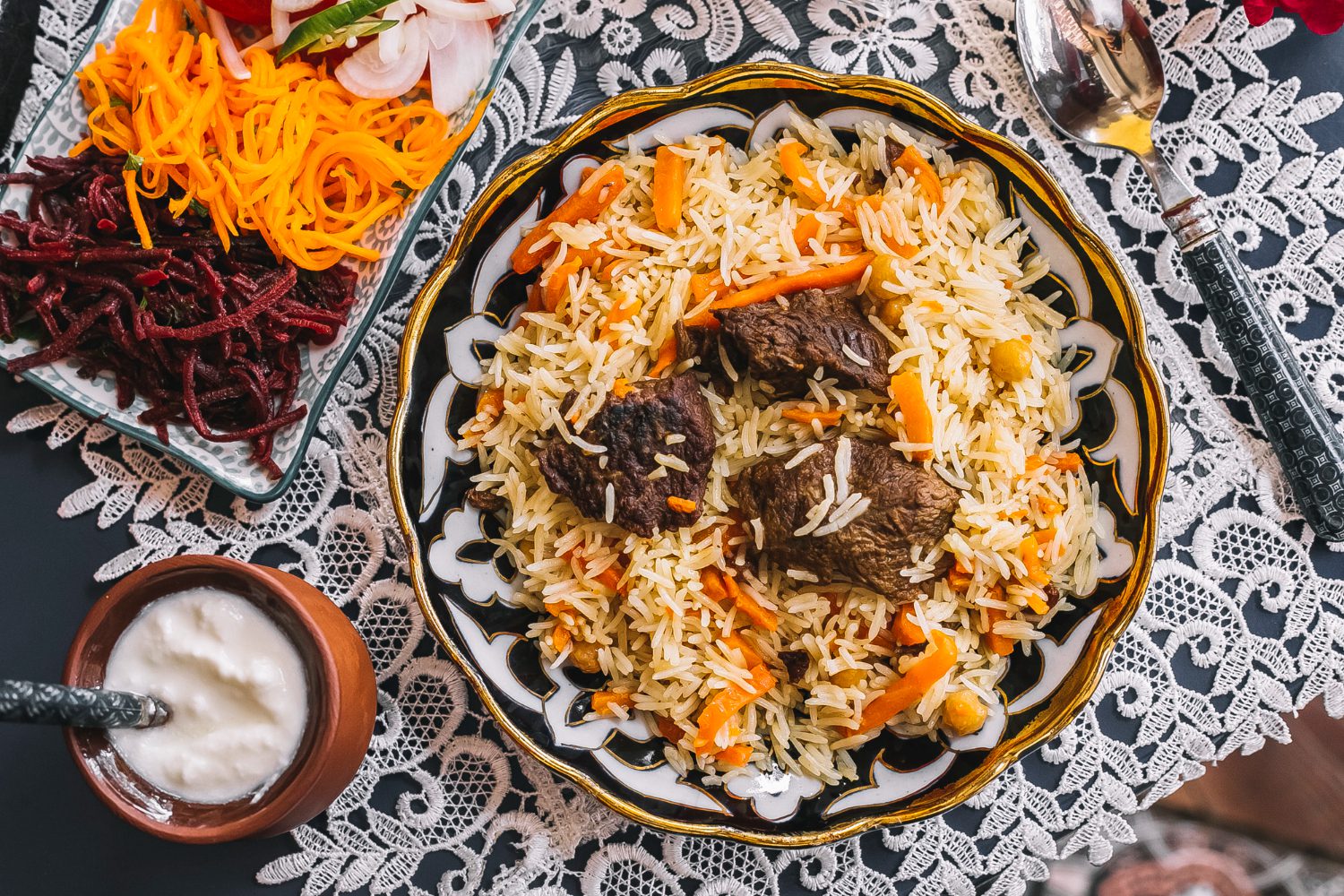
Travel teaches you a lot of things, but some of my favorite lessons have come from food. Every country tells its story through what it cooks — its history, its beliefs, the way people gather and celebrate. Taste a local dish and you’re not just eating. You’re tasting generations of tradition, passed down and shared at the table.
Nothing captured that for me more than plov.
What Plov Actually Means in Uzbekistan
Also known as osh or palov, plov isn’t just a meal here — it’s practically the heartbeat of Uzbek hospitality. It shows up at weddings, holidays, family dinners, and casual lunches with friends. It’s the dish that gets people around a table, laughing, telling stories, and lingering a little longer than planned.
And here’s what surprised me most: plov isn’t just one dish. Travel from city to city and you’ll find a different version almost everywhere — same humble base of rice, meat, carrots, and onions, but each region puts its own signature on it. Those small differences turned out to be one of the most fun parts of the trip to discover.
A Region-by-Region Tasting Tour
- Tashkent Plov — This is the version most people picture when they think of plov, and it’s easy to see why. Made with beef or lamb, rice, carrots, chickpeas, raisins, and sometimes quail eggs, it has this beautiful balance of savory and sweet. The raisins catch you off guard in the best way — a little burst of sweetness against all that rich meat and spice.
- Samarkand Plov — In Samarkand, they don’t mix everything together — they layer it. Meat on the bottom, carrots in the middle, rice on top. Because nothing gets stirred together while cooking, every ingredient holds onto its own flavor. It comes out lighter and more aromatic than I expected.
- Bukhara Plov — Also known as Oshi Sofi, this one carries the influence of the Bukharan Jewish community, and you can taste it. Fresh green herbs, extra spices, sometimes chicken instead of lamb, and occasionally yellow carrots for a hint of sweetness — it’s fragrant and noticeably lighter.
- Fergana Plov — If you ask locals which plov is the “real” one, a lot of them will point here. Cooked low and slow in a kazan (a traditional cast-iron pot), it’s rich, hearty, and deeply savory — the rice practically drinks in all that oil and spice.
- Khorezm Plov — This version has a trick up its sleeve: the rice is steamed separately before joining the rest of the ingredients, which gives it a wonderfully fluffy texture. Yellow carrots make an appearance again here too, adding a subtle sweetness.
- Andijan Plov — One of the richest, boldest versions out there — more lamb fat, stronger spices, deeper flavor. It’s the kind of plov that shows up when there’s something worth celebrating.
- Wedding Plov (Toy Oshi) — Festive, generous, and symbolic, this one is made for weddings and major celebrations. Chickpeas, raisins, quail eggs, and sometimes kazy (a traditional horse meat sausage) go into the pot — often in massive batches to feed hundreds of guests. It’s food as celebration, in the truest sense.
Watching the Masters at Besh Qozon Pilaf Center
If there was one experience on this trip I couldn’t wait for, it was visiting the Besh Qozon Pilaf Center in Tashkent — one of the most iconic plov spots in the whole country. And it did not disappoint.
The place was buzzing. Families showed up together, travelers pulled up chairs with wide eyes, and even chefs from elsewhere stopped by just to watch and learn. But what really stopped me in my tracks was the scale of it all — enormous kazan pots simmering over open flame, each one cooking enough plov to feed hundreds of people that day alone.
Watching the cooks work was honestly mesmerizing — every stir, every adjustment to the heat, felt like watching a skill passed down through generations rather than just a recipe being followed.
We sampled several kinds that day, and my personal favorites were the Tashkent plov and the wedding plov. Both were rich and deeply flavorful but still comforting — fragrant rice, tender meat, and spices that warmed you from the inside out. I’ve always had a soft spot for rice dishes, so it didn’t take long for plov to become one of my favorite foods of the entire trip.
More Than a Meal
Taste is personal, and everyone will have their own favorite. But what makes plov special goes beyond flavor. It’s built to be shared — families gather around it, friends linger over it, and conversation just naturally happens over a generous plate of rice and meat.
In a lot of ways, plov is Uzbekistan — warm, welcoming, and deeply rooted in tradition. Eating it isn’t just a meal. It’s a little taste of the country’s history and community, all in one bite.
If you ever find yourself in Uzbekistan, do yourself a favor and try plov — not just for the flavor, but for the experience that comes with it.
Sometimes the best way to understand a place really is that simple: sit down, share a meal, and listen to the stories that come with it.
Quick Reference: 10 Types of Uzbek Plov
- Tashkent Plov — Rich and festive, made with chickpeas, raisins, and sometimes quail eggs for a savory-sweet balance.
- Samarkand Plov — Cooked in distinct layers rather than mixed, so each ingredient keeps its own texture and flavor.
- Bukhara Plov — Often made with yellow carrots, fragrant spices, and occasionally raisins — lighter and slightly sweet.
- Fergana Plov — Rich, aromatic, and hearty, with deep flavor, generous oil, and a darker golden color.
- Khorezm Plov — Lighter in color and texture, with rice steamed separately before mixing in.
- Kashkadarya Plov — A filling, rustic version made with larger cuts of meat and extra oil for richness.
- Surkhandarya Plov — Known for bold spices and a strong, savory, intense flavor.
- Andijan Plov — Made with premium rice and generous meat portions for a rich, satisfying taste.
- Wedding Plov (Toy Oshi) — A ceremonial plov for weddings and celebrations, made in large batches with special ingredients.
- Chaikhana Plov — A simple, everyday version served in traditional teahouses — comforting, casual, and easygoing.

Leave a Reply