 World of Will
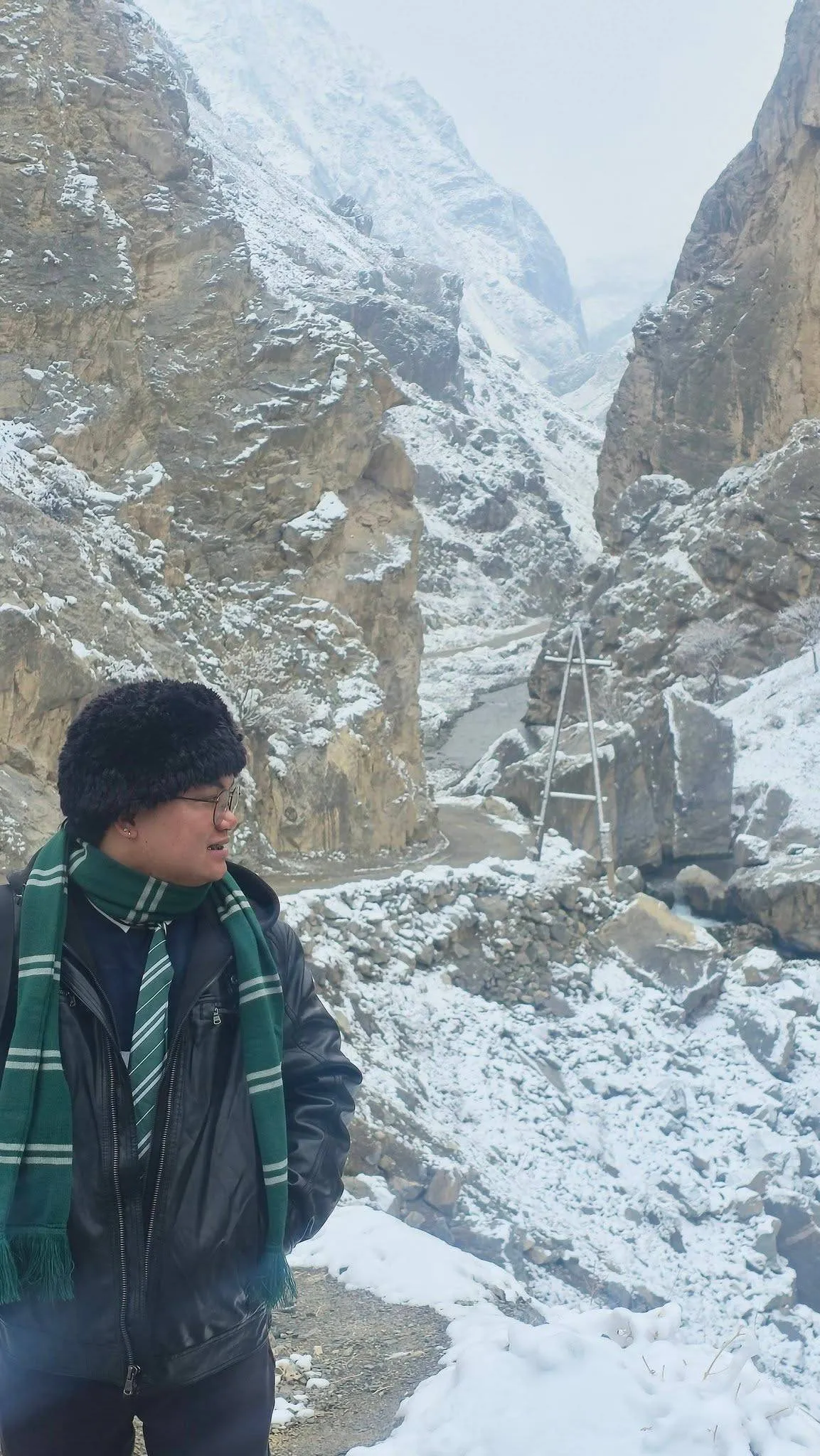
Let me start with some honesty and a bit of humility. I haven’t explored all of Tajikistan — not even half of it. My experience was limited to a small part of the country near Samarkand, close to the border with Uzbekistan. And yet, even with that small glimpse, I can say with real confidence: Tajikistan is a place the world needs to see.
Sometimes it doesn’t take a full journey to understand the soul of a country. Sometimes one experience is enough to open your eyes and leave a lasting mark on your heart.
Discovering Haftkul, the Seven Lakes
My visit to Tajikistan was part of a tour to Haftkul, also known as the Seven Lakes. Honestly, this destination alone is powerful enough to explain why Tajikistan deserves a spot on every traveler’s list.
Nestled in the Fann Mountains, Haftkul is a series of seven alpine lakes, each with its own color, character, and story. They sit at different elevations — starting around 1,600 meters and climbing past 2,400 meters above sea level — surrounded by towering mountains, dramatic rock formations, and landscapes so untouched they barely feel real.
I visited during winter, when snow blanketed the mountains and turned the whole region into a quiet, white masterpiece. I’ve seen mountains in different corners of the world, but the snow-covered peaks of Tajikistan felt different — there was a purity and stillness to them that’s hard to put into words. The cold air was sharp and clean, and every breath felt grounding.
The Journey There Was Its Own Reward
Getting to Haftkul turned out to be just as meaningful as the destination itself. On the way, we passed through small villages that felt untouched by time — modest houses, few people, a pace of life that’s becoming rare in today’s fast-moving world.
I watched children playing outside, elders walking quietly, families living close to nature. There was no rush, no noise, no sense of excess. It felt like a reminder of how life used to be — and maybe how it was always meant to be.
As we moved deeper into the mountains, nature kept unfolding in layers. Tall trees stood calmly beside the road, branches dusted in snow. Rivers moved gently between the rocks, their soft sound following us the whole way. Every turn in the road felt like a new scene, and every view made me want to stop and just absorb it fully.
Photos genuinely couldn’t capture the depth, the scale, or the emotion of what was in front of us.
Why They Call It “The Roof of the World”
Tajikistan is often called the Roof of the World, and that title isn’t given lightly. More than 90 percent of the country is mountainous, home to some of the highest peaks in Central Asia. The Pamir Mountains and the Fann Mountains connect Tajikistan to neighboring Afghanistan, China, Kyrgyzstan, and Uzbekistan — geography that makes this country not just visually stunning, but historically significant too. These mountains once carried branches of the ancient Silk Road, where cultures, ideas, and traditions passed through for centuries.
Seeing Haftkul made me realize how much more of Tajikistan is still out there waiting. If this one small part of the country could leave such a strong impression on me, I can only imagine what the Pamir Highway, the Wakhan Corridor, and the remote high-altitude villages scattered across the country must feel like.
What I saw at Haftkul was nothing short of a masterpiece of nature. Each lake carried its own shade of blue or green, shaped by minerals, depth, and light. Some were calm and reflective, mirroring the sky and mountains perfectly. Others felt wild and powerful, boxed in by steep cliffs and rugged terrain.
Even the trails between the lakes felt symbolic somehow — a reminder that life often leads us through crossroads and unfamiliar paths, and that those paths still take us somewhere meaningful. Walking through it all felt like walking through a living painting, where the trees, water, vegetation, and rock all existed together in perfect, unapologetic balance.
So Why Is Tajikistan Truly a Must-Visit?
Tajikistan offers something a lot of destinations have quietly lost: authenticity. It isn’t shaped by mass tourism or commercial distraction. Instead, it invites you to slow down, to actually observe, to reconnect.
The people were warm and welcoming, often greeting us with genuine curiosity and kindness. Tajik culture runs deep with hospitality, family, and tradition — and even with limited resources, people give generously, whether that’s a smile, a story, or a shared meal.
The food, too, was simple but comforting — bread, rice dishes like plov, soups, dairy, locally grown vegetables. Nothing about it felt like indulgence; it felt like connection. Eating there was less about the meal and more about the people around the table.
What Tajikistan Left Me With
More than anything, Tajikistan grounds you. It reminds you of life before social media, before constant comparison, before material excess. It shows strength in simplicity, and richness in nature.
It shows you beauty that doesn’t need a filter or any validation.
Even though I only saw a small slice of this country, it inspired me deeply. It made me want to come back, to go further, to understand more.
Tajikistan feels like a chapter waiting to be read — not rushed, but experienced slowly and intentionally. I know that traveling deeper into the country will take effort, and it’ll probably be challenging at times. But I also know it’ll be rewarding in ways that go far beyond photos or memories.
Tajikistan isn’t just a destination. It’s an experience, a lesson, and a quiet reminder of how beautiful the world still is — when we actually take the time to see it.
A Few Frames From Tajikistan

Leave a Reply